Students normally undertake one 30-credit taught module each semester. Depending on their point of entry, students may also complete a supplementary 15-credit module in Research in Divinity or Writing for Divinity, designed to support their work in the core modules and prepare them for postgraduate research.
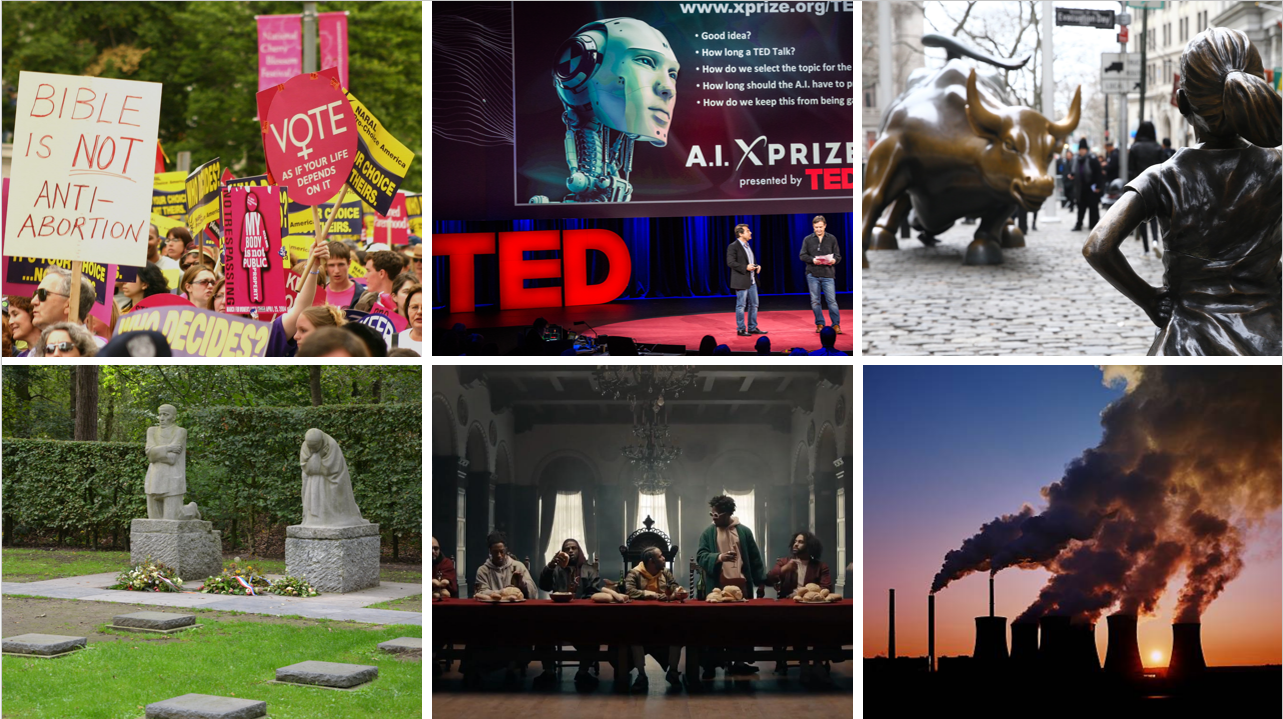
The programme addresses a number of themes that reflect important aspects of our contemporary world and about which various Christian traditions have something to say. Influence also works in the other direction: the ways Christians interpret their own tradition are often shaped by the social, political, cultural, and technological questions of the present.
Questions of life and death are never far from public debate. These may include scientific and political discussions surrounding conception and reproductive technologies, end-of-life care, environmental responsibility, or the realities of violence and war. The programme invites students to consider how biblical and theological traditions contribute to these conversations and how contemporary developments, in turn, shape the interpretation of Scripture.
Thinking about the Bible in the contemporary world often means understanding human relationships, not just in individual terms, but as groups, or even nations. The Bible, and the theological lens through which it is read, have much to say about what it means to be human, and particularly what it means to be human in relation to others who might be different. That difference might be with regard to ethnicity, age, gender, sexuality, nationality, wealth, or disability (to mention only a few).
People’s hopes and fears are carried across generations through stories, some sacred and others secular. Understanding contemporary culture requires paying attention to the ways these stories are expressed through literature, music, visual art, film, digital media, and popular culture. The programme explores the rich dialogue between biblical interpretation, theology, and the arts, considering how each continues to shape and inform the other.
Themes such as ethics, culture, technology, human flourishing, justice, and the arts run throughout the programme, finding expression in different ways across the taught modules. Alongside these thematic explorations, students develop the research and writing skills necessary for postgraduate study through dedicated supplementary modules, culminating in an independent dissertation for those completing the MLitt. By engaging with these specialist areas, students deepen their capacity to think critically and theologically about the relationship between the Bible and the contemporary world.